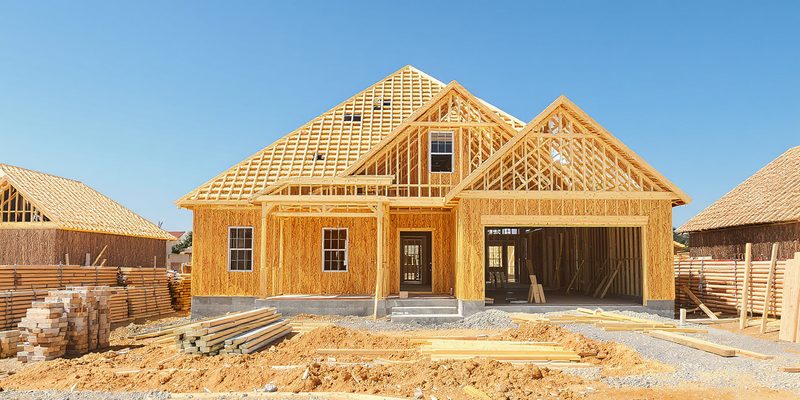
The single most important thing to understand about buying new construction: the friendly person in the model home works for the builder. They are good at their job, and their job is to get the best outcome for the builder. Having your own representation costs you nothing in almost every case — the builder pays cooperating agent compensation out of the same budget either way — and it changes what happens at four specific moments.
First, lot selection. Not all lots in a development are equal, and the premium the builder charges does not always track the value the market will assign at resale. Backing to open space or a tree line generally holds value. Backing to a stormwater basin, a busy road, or the future phase of the development frequently does not. This decision is made early and cannot be undone.
Second, the upgrade decision. The design center is engineered to be overwhelming, and margins on options are high. Some upgrades return most of their cost at resale — structural changes, finished basements, anything difficult to add later. Others are pure consumption. I go through the option list with clients and separate the two, because it is common to see fifty to eighty thousand dollars of decisions made in a single afternoon.
Third, the contract. Builder agreements are not the standard Pennsylvania agreement of sale. They are drafted by the builder's counsel and they favor the builder on delay, on specification substitution, on deposit forfeiture, and frequently on dispute resolution. There is usually more negotiating room than buyers assume, particularly on closing cost assistance and included options rather than headline price — builders protect the recorded price because it sets the comp for the rest of the community.
Fourth, inspections. Buyers routinely skip inspections on new construction because it is new. That is backwards. A pre-drywall inspection catches framing, mechanical, and waterproofing issues while they are still visible and cheap to correct. A final inspection before settlement catches the punch-list items. And the eleventh-month inspection, before the typical one-year warranty expires, catches settling and system problems on the builder's dime. All three are worth doing.
Montgomery and Chester County have active new construction across Limerick, Collegeville, Upper Providence, and the townships around Downingtown and Exton, plus infill and teardown builds in the older boroughs. The market varies substantially by builder and by community.
How the process actually runs
Register me with you
Critical: bring me on your first visit. Most builders will not allow representation to be added after you have registered on your own.
Community and builder comparison
We look at more than one. Build quality, warranty terms, HOA structure, and resale history differ meaningfully.
Lot selection
Which premiums are worth paying and which will cost you at resale.
Contract review
We go through the builder agreement together and identify what's negotiable — usually incentives and options more than price.
Design center strategy
A plan before you walk in, separating structural and value-holding upgrades from consumption spending.
Construction check-ins
Periodic visits and photo documentation as the build progresses.
Pre-drywall inspection
An independent inspector while framing and mechanicals are still visible.
Final walkthrough and settlement
Punch list, warranty documentation, and a reminder set for the eleventh-month inspection.
Let's talk
If you are even considering a new build, call me before you visit your first model home. That one phone call is the difference between having representation and not.
Call or text (484) 744-9700, email mike@garymercerteam.com, or grab a time on my calendar.