I spent over a decade in real estate development before I sold a single house — most of it as a Vice President with American Land Development, working acquisition and planning on masterplan communities around the country. That work was underwriting first and sentiment never. It is the lens I bring to investment clients, and it is a genuinely different conversation than a residential showing.
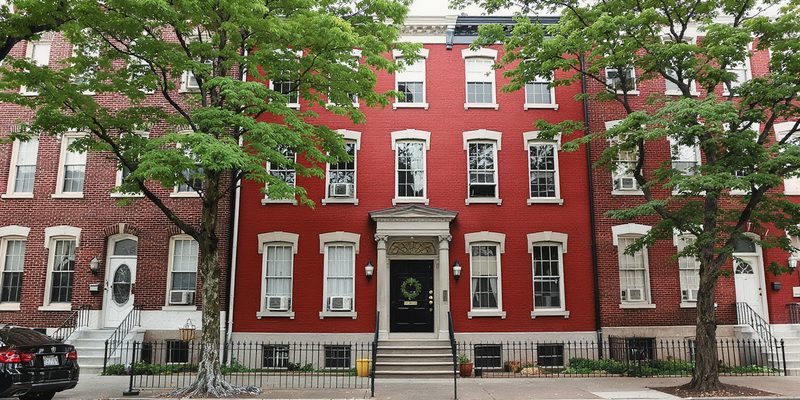
The Montgomery and Chester County investment market divides cleanly. The older boroughs — Norristown, Pottstown, Coatesville, parts of Phoenixville — have brick twins and rowhomes where the rent-to-price ratio actually produces cash flow. The affluent townships do not. A Blue Bell single-family rental is an appreciation bet with negative carry, and there is nothing wrong with that as a strategy as long as you know that is what you bought.
The numbers that matter, in order: actual rents for that specific block rather than the county average, real operating expenses including the ones new investors forget (vacancy, capital reserves, management even if you self-manage, and the tax reassessment that can follow a sale), and the capital expenditure schedule on a hundred-year-old building. A 1910 brick twin with original knob-and-tube, a fifty-year-old boiler, and a roof at end of life is not the deal the spreadsheet says it is.
Pennsylvania specifics matter too. The Landlord and Tenant Act governs the relationship, and municipalities layer their own requirements on top — Norristown, Pottstown, and West Chester all have rental licensing and inspection regimes, and West Chester's student-rental overlay rules in particular can determine whether a property is usable for your intended purpose at all. I check the specific ordinance before we write, not after.
Small multi-family — two to four units — is where I see the best risk-adjusted opportunity locally, particularly for buyers willing to house-hack. Owner-occupied two-to-four-unit properties qualify for residential financing terms, which is a meaningful advantage over commercial debt, and Norristown, Pottstown, and Coatesville all have inventory in that range.
What I will not do is talk you into a deal. If the numbers do not work, I will show you why they do not work, and we will wait for one that does.
How the process actually runs
Strategy first
Cash flow, appreciation, or house-hack? They point at completely different towns and property types.
Buy box
We define price range, unit count, condition tolerance, and target return before we look at anything.
Financing structure
Conventional investor, portfolio, DSCR, or owner-occupied 2-4 unit — the structure changes what you can buy.
Deal flow
MLS plus coming-soon inventory, and off-market opportunities through my broker network.
Underwriting
Block-specific rent comps, honest expense loads, capital reserve schedule, and a tax reassessment estimate.
Municipal check
Rental licensing, inspection requirements, and any local overlay that affects your intended use.
Inspection and capex plan
Not just pass/fail — a dollar-figure schedule of what needs doing and when.
Close and hand off
Property management and contractor referrals if you want them.
Let's talk
Bring me a deal you're considering and I'll underwrite it honestly, whether or not I'm the one who sells it to you. Getting the analysis right matters more than getting the commission.
Call or text (484) 744-9700, email mike@garymercerteam.com, or grab a time on my calendar.